Audio & wearables
How Accurate Are Fitness Trackers? Steps, Heart Rate and Sleep
Fitness trackers are generally good at counting steps while walking and at measuring resting heart rate, less reliable for heart rate during intense exercise, and approximate for sleep stages. Calorie burn is the least accurate figure. Use the numbers to follow trends over weeks rather than as exact measurements, and never as a medical diagnosis.
A fitness tracker gives you a dashboard of numbers every day. Some are reliable, some are educated guesses. Knowing which is which makes the tracker far more useful.
What to trust, and how much
| Measurement | Reliability | Notes |
|---|---|---|
| Steps while walking | Good | Misses pram or trolley walks, adds steps from arm movement |
| Resting heart rate | Good | Best measured while still, for example on waking |
| Heart rate in intense exercise | Fair | Fast wrist movement confuses optical sensors |
| Sleep duration | Fair to good | Can mistake lying still for sleep |
| Sleep stages (light, deep, REM) | Rough estimate | Labs use brain-wave monitoring that wrist bands do not have |
| Calories burned | Poor | The least accurate figure on almost every tracker |
| Blood oxygen, blood pressure on budget bands | Indicative only | Not medical-grade |
How wrist heart rate works
Most trackers use green LEDs and a light sensor (photoplethysmography) to see blood flow changes under the skin. It works best when the band is snug and still. Movement, a loose strap, cold skin, very dark tattoos and sweat can all reduce accuracy.
Make your readings more accurate
- Wear it snug, about a finger's width above the wrist bone; tighten a notch during workouts.
- Enter your real height, weight, age and sex in the app; step length and calories depend on them.
- Tell the app which wrist you wear it on, if it asks.
- Start a workout mode for exercise so the band samples more often.
- Keep the sensor clean and the firmware up to date.
Use trends, not single numbers
A tracker is most valuable over weeks: Is your resting heart rate drifting down as you get fitter? Are you sleeping more on weekends than weekdays? Are you walking more this month? Those trends are reliable even when individual numbers are not.
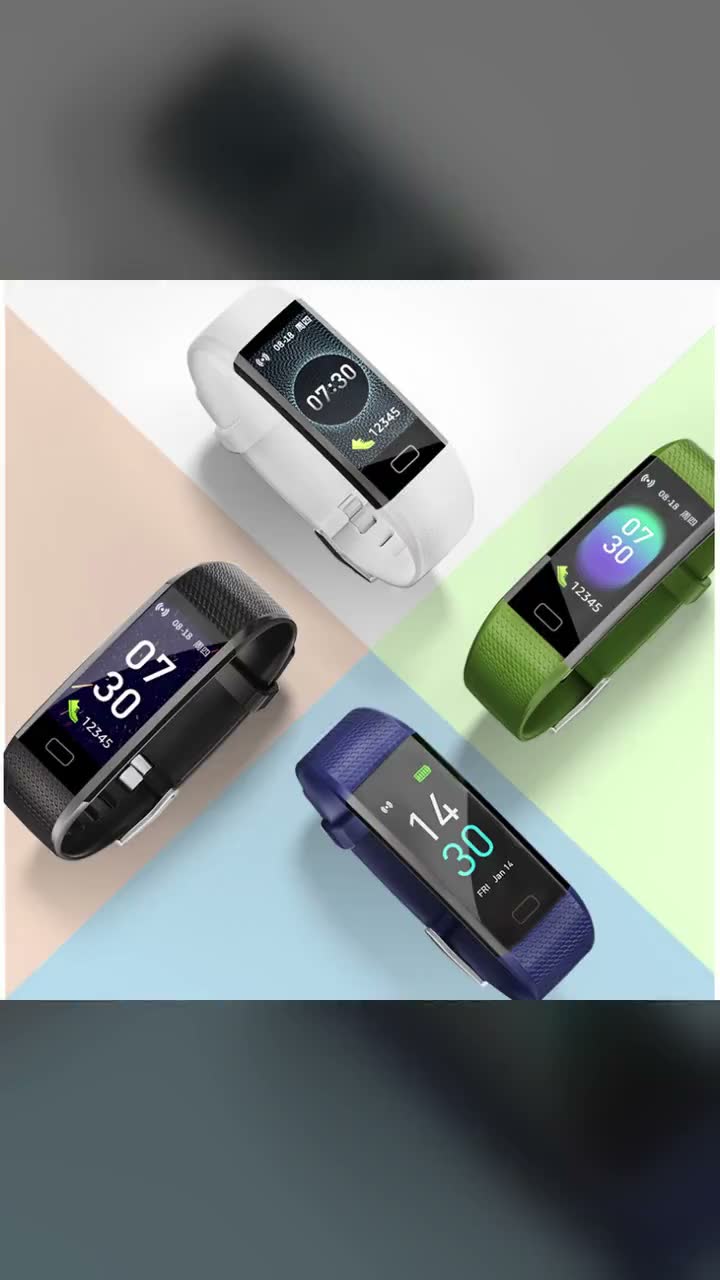
 B3 Heart Rate Fitness TrackerHeart rate monitoring with steel or silicone strap options.Watch the reel →
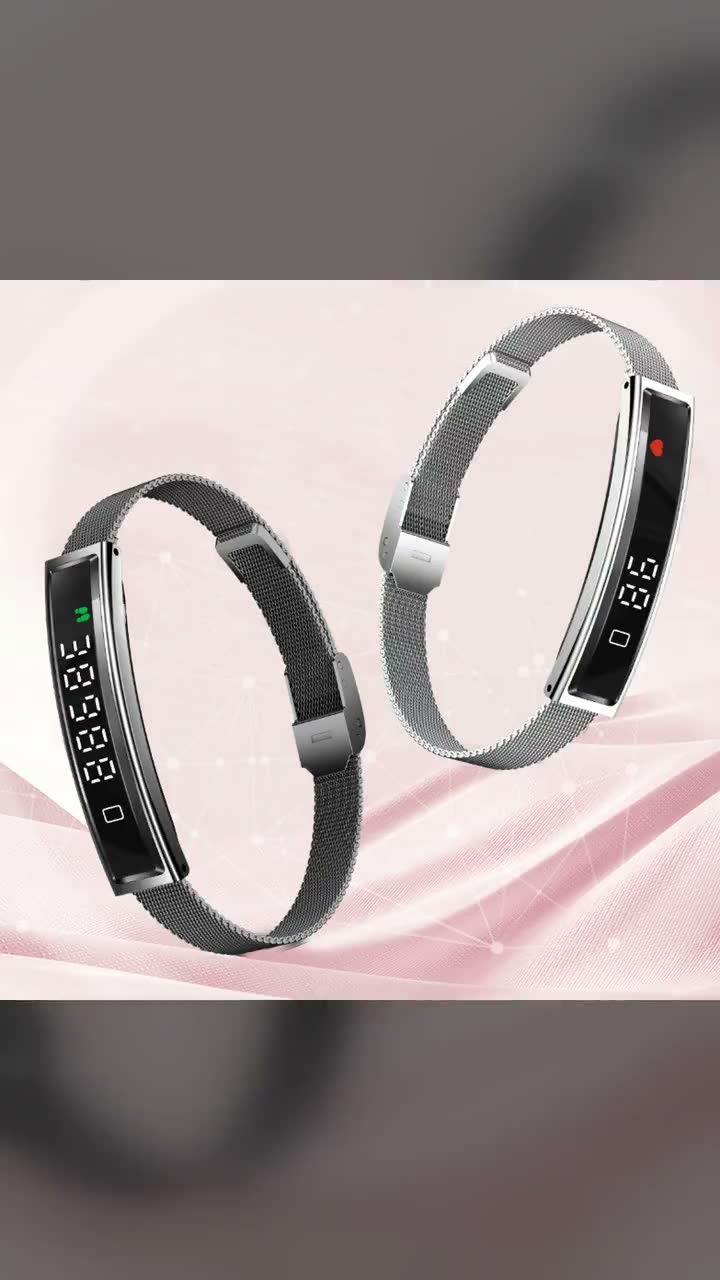
 Heart Rate & Step BraceletA 0.96-inch band that works with Android and iOS.Watch the reel →
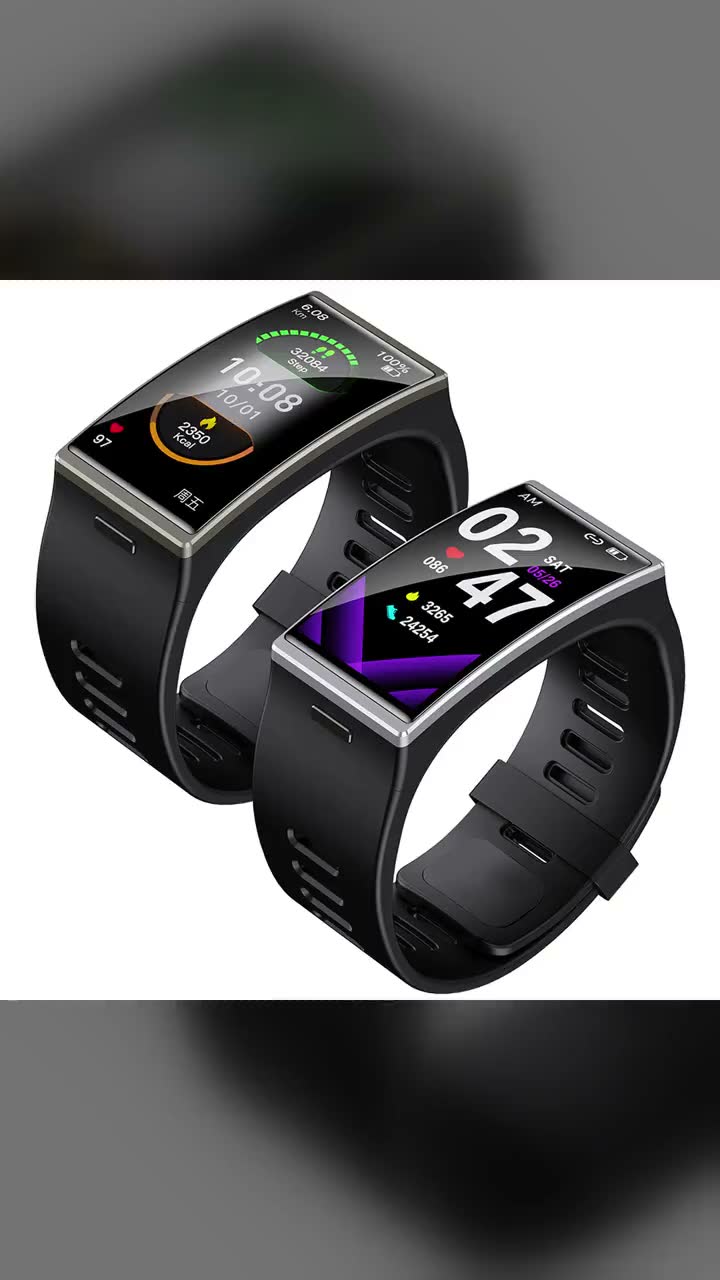
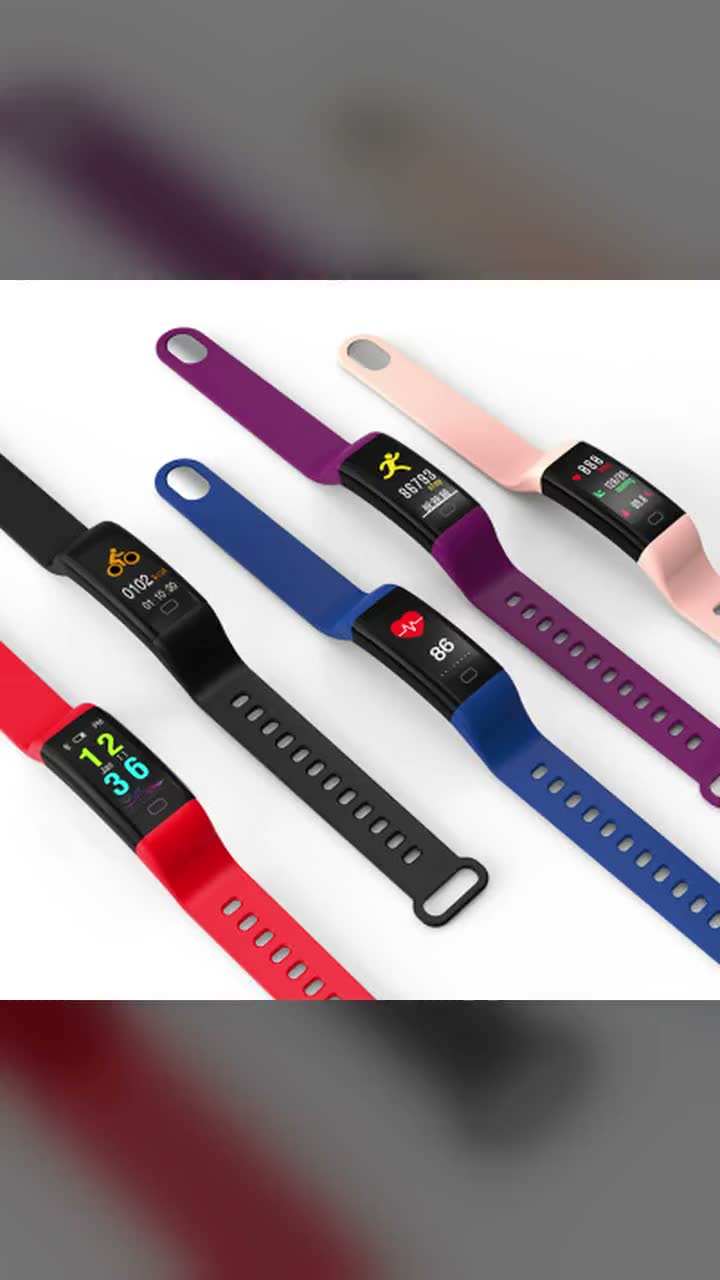 Big Screen Exercise BandIP68 with about 7 days of listed use per charge.Watch the reel →
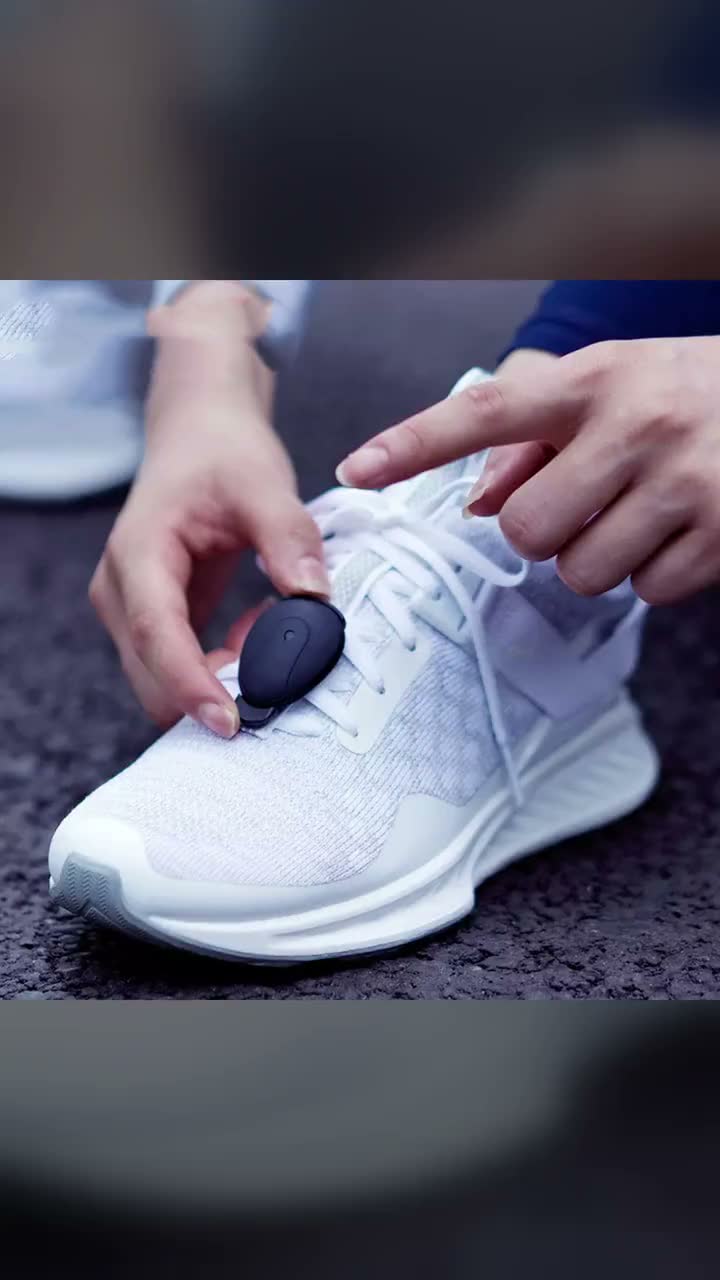 Smart Running Posture TrackerRecords running posture data and 11 sports metrics.Watch the reel →
Not a medical device
Budget trackers are made for fitness, not diagnosis. If you feel unwell, or a reading worries you, speak to a doctor rather than relying on the band.
Next: smartwatch vs fitness band and 12 ways to make a smartwatch battery last longer.
Frequently asked questions
Are fitness tracker step counts accurate?
For normal walking they are usually close. They can miss steps when you push a trolley or pram, and count extra 'steps' from arm movements such as clapping or driving on bumpy roads.
Why is my tracker's heart rate wrong during exercise?
Optical sensors struggle with fast wrist movement, a loose strap, cold skin and some tattoos. Tighten the strap slightly during workouts and wear it a finger's width above the wrist bone.
How accurate is calorie burn on a fitness tracker?
It is the least accurate measurement. Independent studies have repeatedly found calorie estimates off by a wide margin, so treat them as a rough guide.
Can a fitness tracker detect health problems?
Budget trackers are not medical devices. Use them for trends and motivation, and see a doctor about symptoms or worrying readings rather than relying on the band.