Home & kitchen
Automatic Plant Watering: Keep Plants Alive While You Travel
For indoor pots, a small pump with drip lines from a water reservoir on a timer is the most flexible option; outdoors, use a tap timer with drip lines. Set it up a week before you travel and test the run time.
Coming home from a week away to wilted plants is a familiar disappointment. Automatic watering takes care of it, and it is cheaper and easier to set up than most people expect. This guide explains the main systems, how to choose one for indoor pots or a garden, and how to test it before you leave.
The three main approaches
Drip watering with a pump
A small pump draws water from a reservoir, such as a bucket or tank, and delivers it through thin tubes to a drip head in each pot, on a timer. This is the most flexible option for a group of indoor plants, and rechargeable pumps need no socket nearby.
Tap-connected garden timers
For outdoor beds and balconies, a timer fits between an outdoor tap and a hose or drip line, and opens the water on a schedule. Drip lines put water at the roots, which wastes far less than a sprinkler.
Self-watering pots and wicks
A reservoir in the base of the pot keeps the soil moist through a wick. No electronics, but they only help one plant at a time and need refilling.
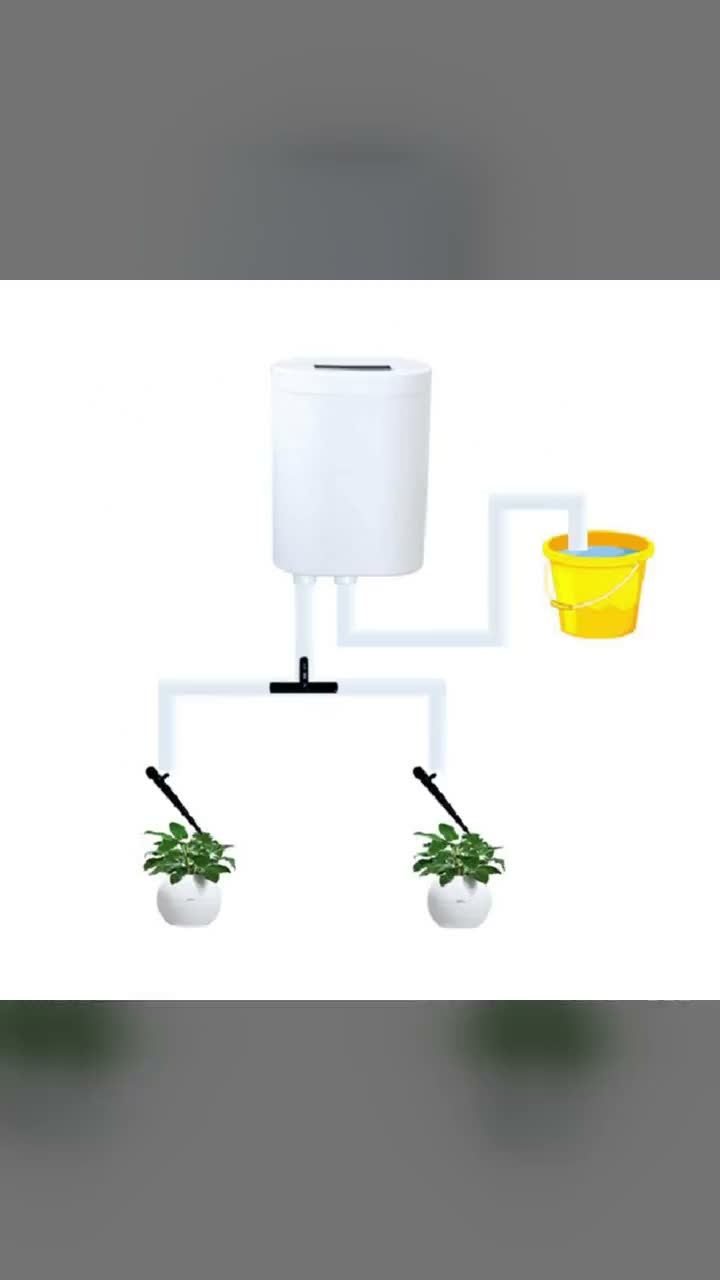 Rechargeable Pot Watering DeviceUSB-rechargeable pump with an LCD timer, sold with 2 to 16 drip heads.Watch the reel →
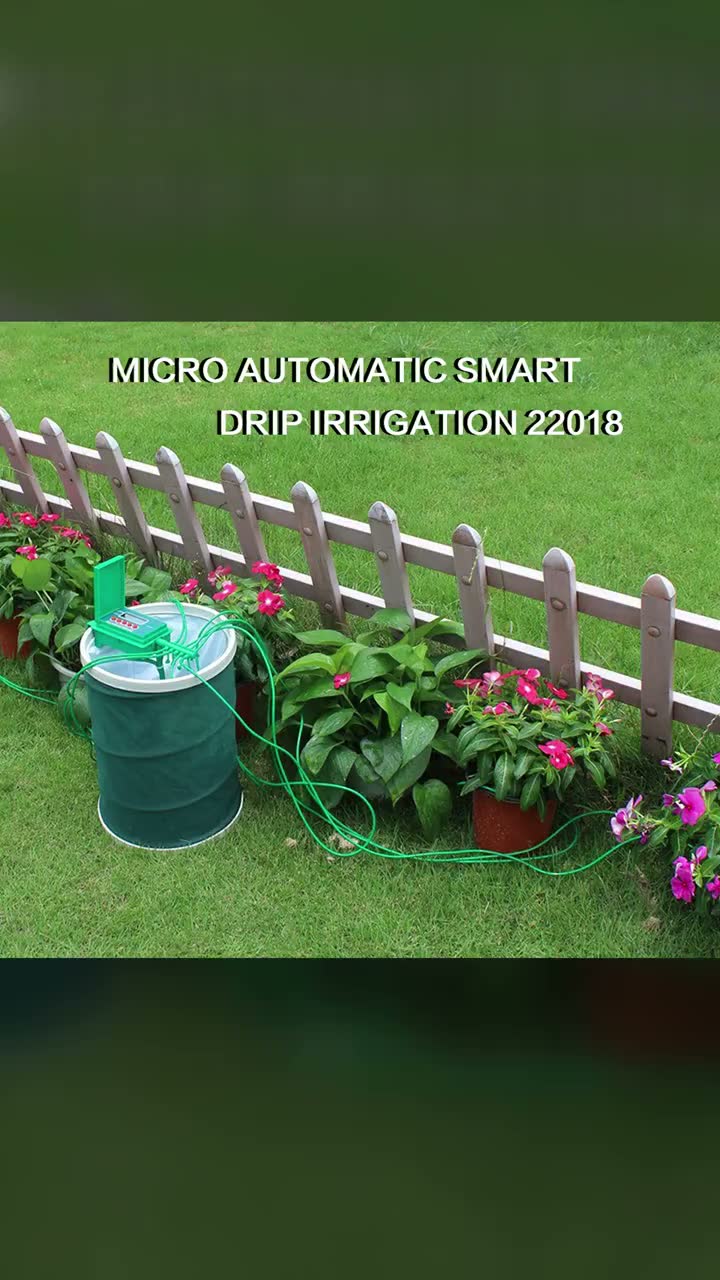 Indoor Drip Irrigation KitA smart controller with drip lines for potted plants. For indoor use, clean water only.Watch the reel →
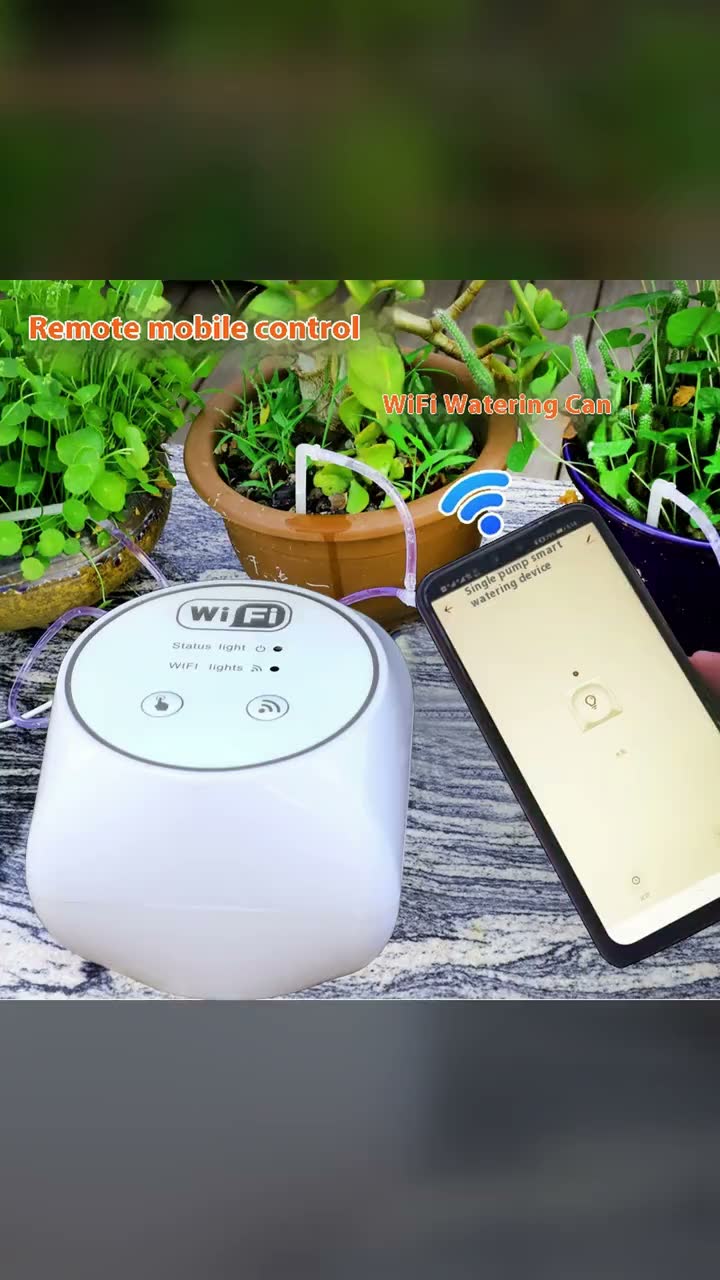 Wi-Fi Drip Watering SystemControl watering from your phone, in kits for 10 or 15 pots.Watch the reel →
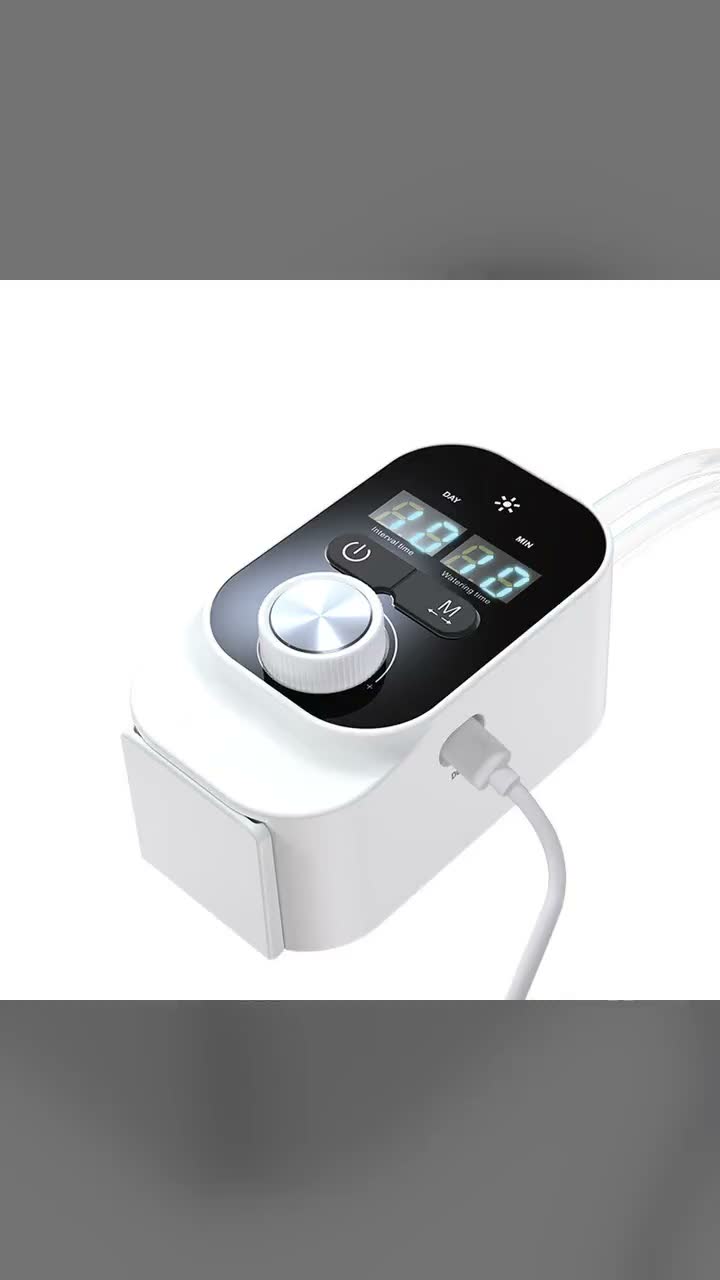 Garden Drip TimerAn automatic controller that spot-waters a garden drip system on a schedule.Watch the reel →
How to choose
- Count your pots. Drip kits are sold by the number of heads. Buy a few more heads than plants, because thirsty plants can take two.
- Check the water source. Indoors, the reservoir must hold enough water for the whole trip. Outdoors, you need a tap the timer fits.
- Decide on control. A simple timer is reliable. Wi-Fi lets you check or change watering from your phone while you are away. Most Wi-Fi devices need a 2.4 GHz network.
- Indoor or outdoor? Some kits are for indoor use only. Check the listing before putting one in the rain.
Set it up a week before you travel
- Group your plants near the reservoir so the tubes are short.
- Put the reservoir below the pots where possible, so water cannot siphon out when the pump is off.
- Water normally, then let the system run on its schedule for a few days.
- Check each pot. Adjust the run time until the soil is moist but nothing drains out of the bottom.
- Charge the pump fully and fill the reservoir right before you leave.
Know when your plants are thirsty
Overwatering kills more houseplants than underwatering. A soil monitor shows you how moist the soil really is, so you can set watering by what the plant needs rather than by guess. And if you would rather grow herbs indoors all year, a hydroponic lamp-and-planter combo handles the light and water for you.
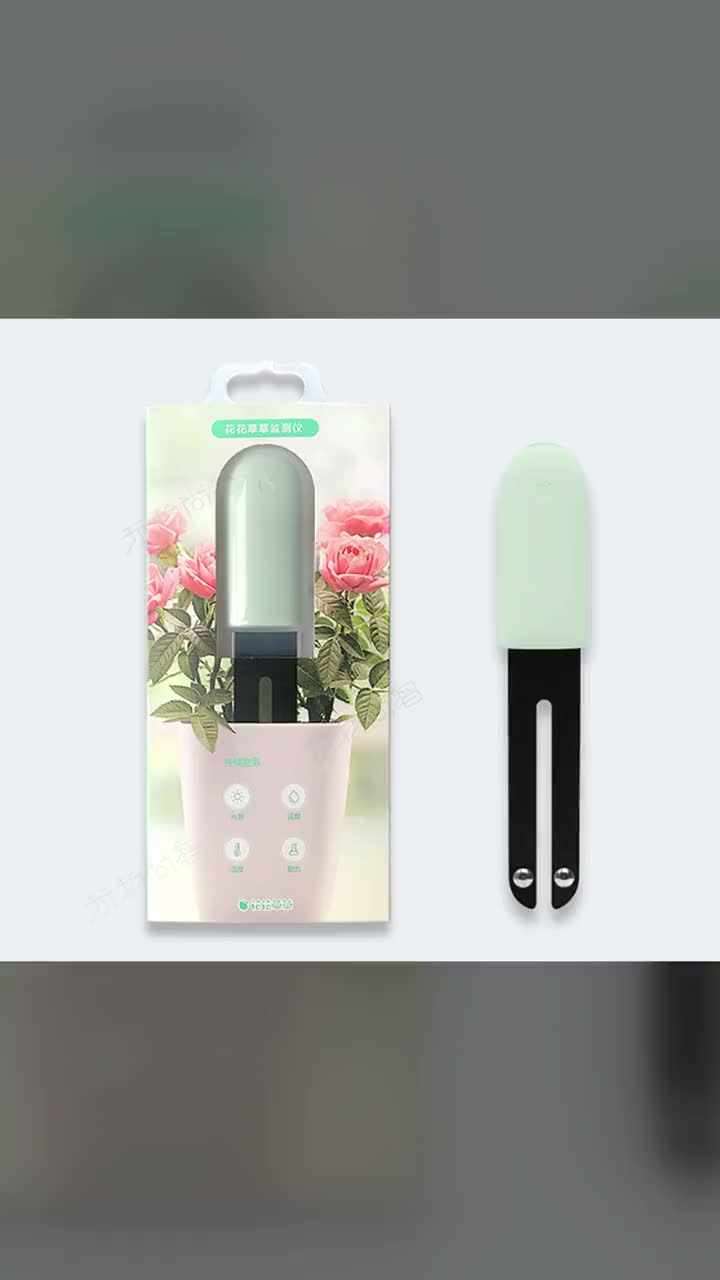 Plant & Soil MonitorPush it into the soil and check moisture and fertility in a Bluetooth app.Watch the reel →
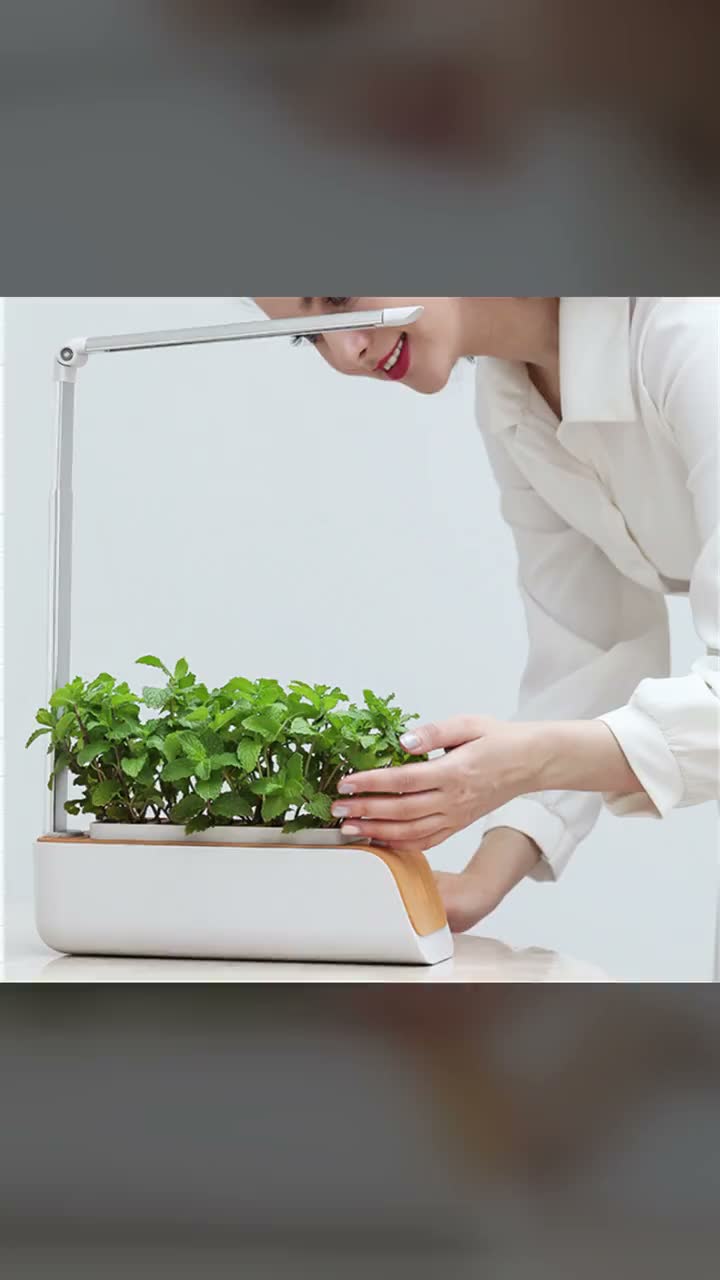 Hydroponic Herb Garden LampA grow light and planter in one, for fresh herbs on a desk or kitchen counter.Watch the reel →
Watch each reel to see how the pump and drip heads work before you buy, and browse more in Home & Living. Building a smart home? The Zigbee vs Wi-Fi guide covers leak sensors, which are a good partner to any indoor watering system.