Tech explained
IP67 vs IP68: Water Resistance Ratings Explained
IP ratings have two digits: the first is dust protection (6 = dust-tight), the second is water protection. IP67 survives immersion to 1 metre for 30 minutes; IP68 goes deeper or longer, as the maker specifies. Neither is a swim rating, and an X (as in IPX7) means dust was not tested.
Most gadgets now carry a code like IP67, IP68 or IPX7 on the box. These codes are precise, but they are easy to misread, and the most common mistake is to treat any of them as "waterproof". Here is what the digits mean, the difference between the popular ratings, and what they do not cover.
What does an IP rating mean?
IP stands for Ingress Protection, defined by the international standard IEC 60529. The code has two digits:
- The first digit (0–6) is protection against solids such as dust. 5 means dust-protected; 6 means dust-tight.
- The second digit (0–9) is protection against water. Higher numbers mean more demanding tests.
- An X in place of a digit means that part was not tested, so IPX7 has a water rating but no dust rating.
The water digits that matter for gadgets
| Rating | What it was tested for | Fine for |
|---|---|---|
| IPX4 | Splashing water from any direction | Sweat, rain, kitchen splashes |
| IPX5 | Low-pressure water jets | Rinsing under a tap |
| IPX6 | Powerful water jets | Heavy rain, outdoor use |
| IPX7 | Immersion to 1 metre for 30 minutes | Being dropped in a sink or puddle |
| IPX8 | Immersion beyond 1 metre, conditions set by the maker | Deeper or longer accidental dunks |
IP67 vs IP68: what is the difference?
Both are fully dust-tight. The difference is the water test:
- IP67 survives immersion in fresh water to 1 metre for 30 minutes.
- IP68 survives immersion beyond 1 metre. The exact depth and time are set by the manufacturer, often 1.5 metres for 30 minutes, so read the listing for the details.
In daily life, both survive rain, sweat, hand-washing and an accidental drop in water. IP68 gives a little more margin.
What IP ratings do not cover
IP tests are done in a lab with still, fresh, room-temperature water. They say nothing about:
- Swimming. Moving through water, diving and water jets at the pool add forces the test does not use.
- Salt water and chlorine, which can corrode seals and metal.
- Hot water and steam, from showers and saunas, which can make seals expand.
- Soap, shampoo and lotions, which lower water's surface tension and help it get past seals.
Watches use a different scale: ATM
Watches often state water resistance in ATM (or metres) under ISO 22810. As a rough guide, 3 ATM handles splashes, 5 ATM is suitable for swimming at the surface, and 10 ATM for swimming and snorkelling. If you plan to swim with a smartwatch, look for an ATM or swim rating, not just IP68.
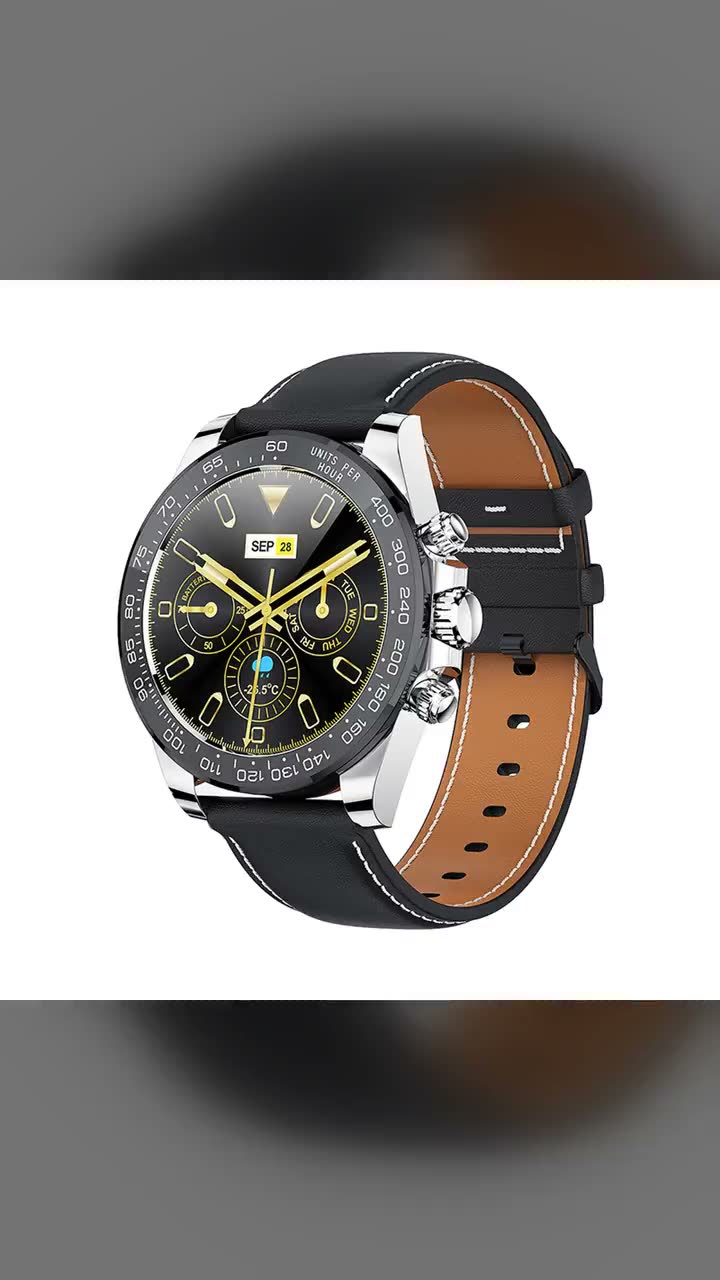 Stainless Steel IP68 Sports WatchAn IP68-rated smartwatch in a stainless steel case.Watch the reel →
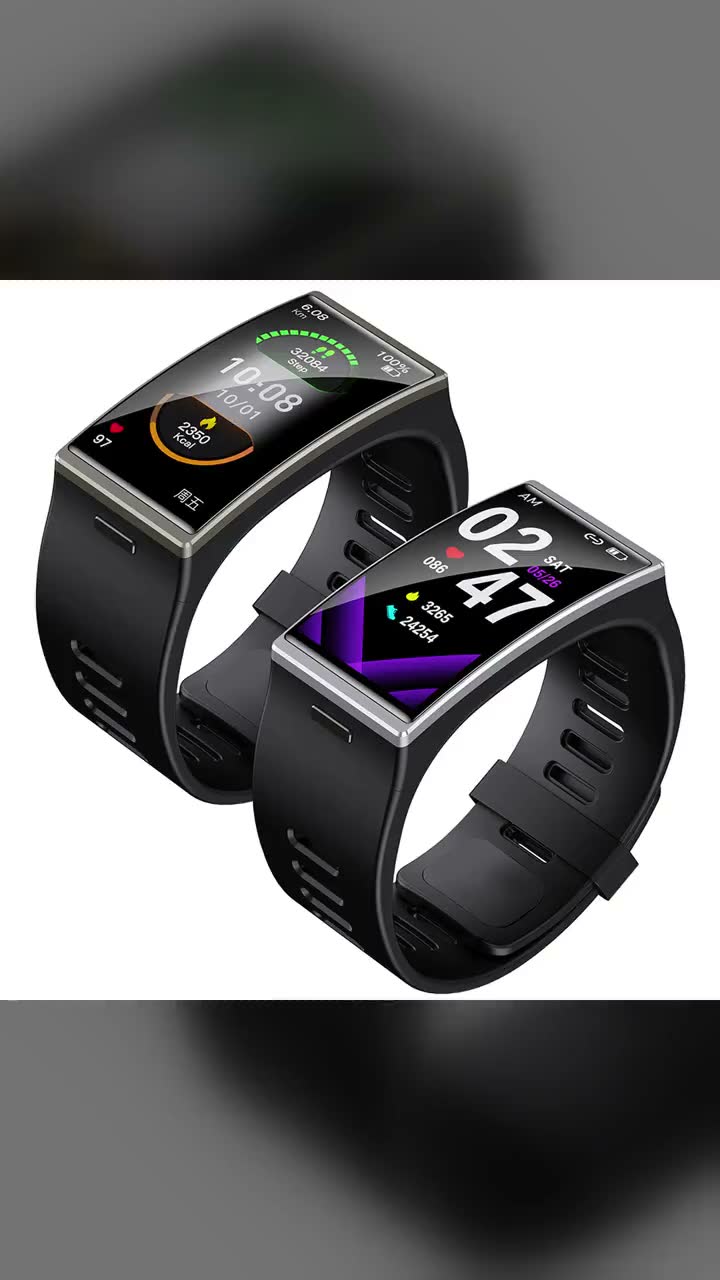 DM12 Big Screen Smart Watch1.91-inch touch screen with an IP68 rating and magnetic charging.Watch the reel →
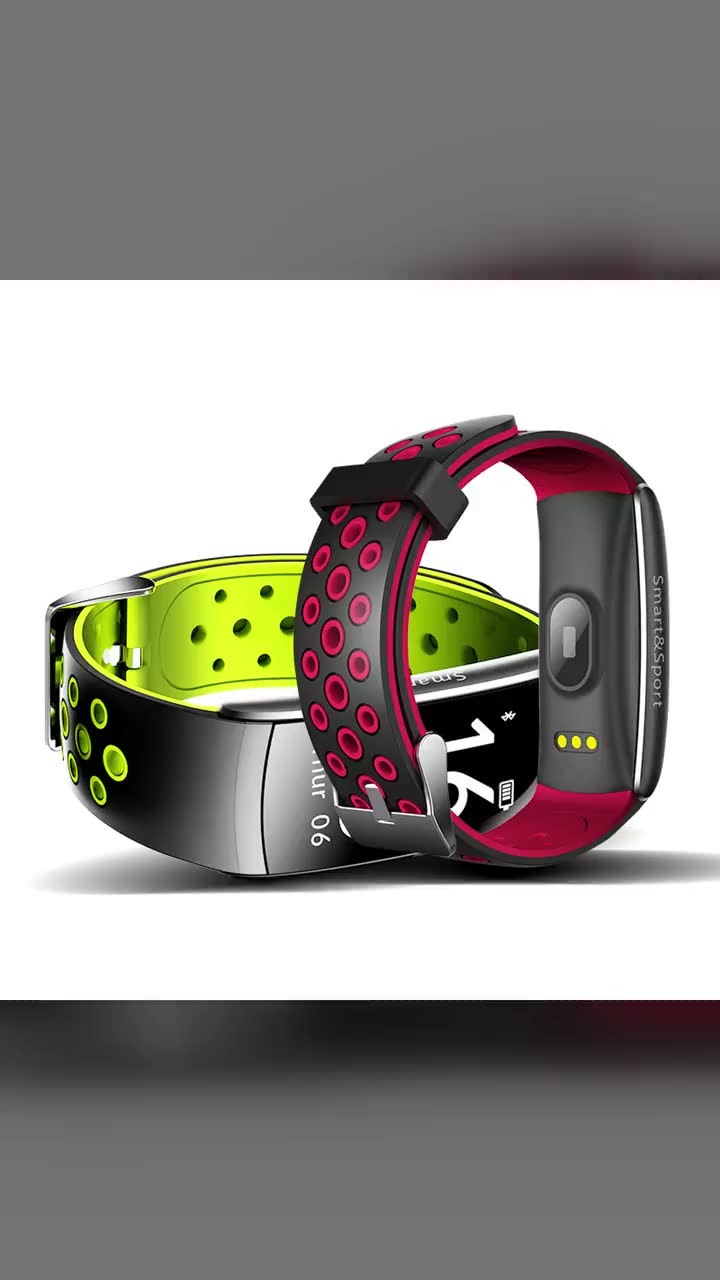 Bluetooth Waterproof Smart BandA light IP68 fitness band with about 10 days of listed standby.Watch the reel →
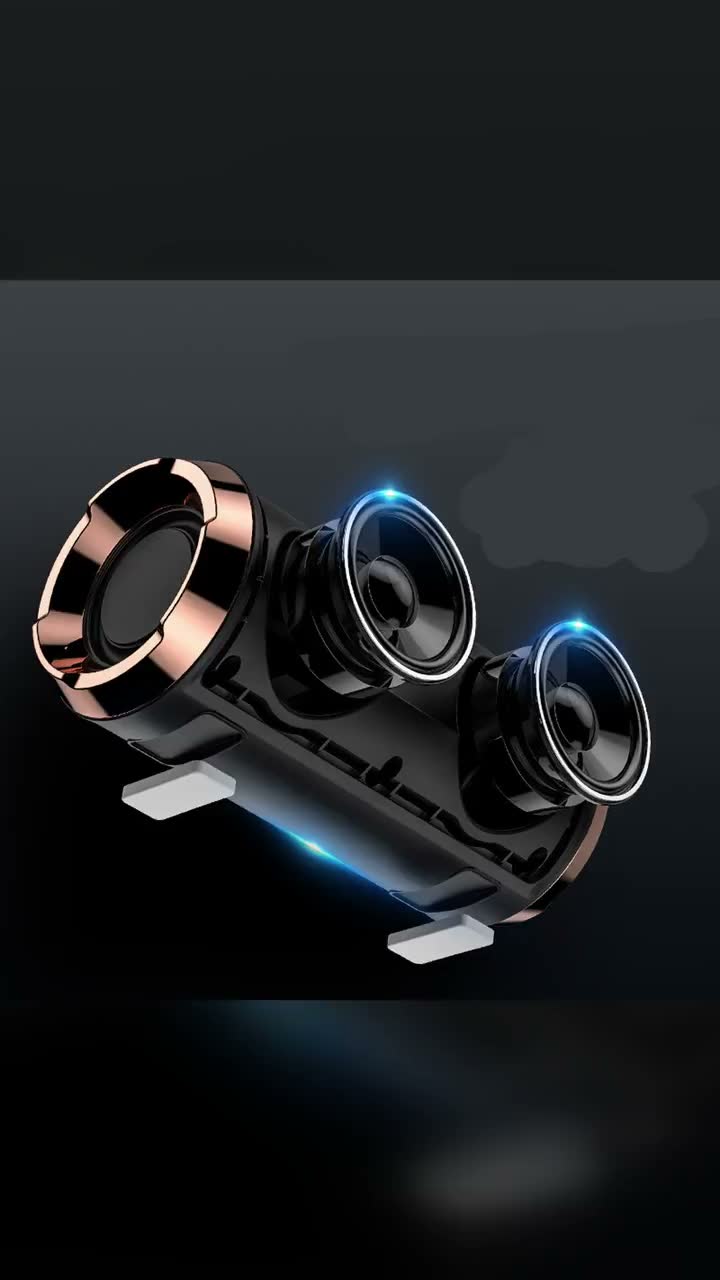 IPX7 Bluetooth Sound Bar SpeakerAn IPX7 speaker: rated for brief immersion, not tested for dust.Watch the reel →
How to keep a water-rated device working
- Dry the charging port completely before plugging in.
- Rinse off salt water or pool water with fresh water and dry it.
- Do not press buttons underwater unless the maker says you can.
- Keep it out of hot showers, saunas and hot tubs.
- Expect less protection after a hard drop or as the device ages.
For more on choosing water-ready gear, see our guides to smartwatches vs fitness bands, Bluetooth speakers and wireless earbuds under $30.
Frequently asked questions
Can I swim with an IP68 smartwatch?
Not necessarily. IP68 is tested in still fresh water, not while swimming, in salt water, chlorinated pools or hot water. Only swim with it if the maker also gives a swim or ATM rating, such as 5 ATM.
Is IPX7 better than IP67?
For water they are the same: both survive immersion to 1 metre for 30 minutes. The X in IPX7 means the product was not tested for dust, while the 6 in IP67 means it is dust-tight.
Does a water resistance rating last forever?
No. Seals age, and drops, heat and soap can weaken them. Treat an older device as less water-resistant than its rating and dry ports before charging.
What does IP stand for?
Ingress Protection. The ratings come from the international standard IEC 60529, which defines how well an enclosure keeps out solids and liquids.