Home & kitchen
What Smart Bathroom Scales Measure (and What They Don't)
Smart bathroom scales measure your weight accurately and estimate body fat, water and other figures by sending a tiny electrical current through your feet (bioelectrical impedance). Weight readings are reliable; body-composition numbers are estimates that change with hydration. People with pacemakers or other implanted electronic devices, and pregnant women, should not use the body-composition feature.
A smart scale does two very different things: it weighs you, which it does well, and it estimates your body composition, which needs more care to interpret.
How body-composition scales work
Metal pads on the scale send a tiny current up one leg and down the other. Fat, muscle and water conduct electricity differently, so the scale measures resistance (bioelectrical impedance) and the app combines it with your height, age and sex to estimate body fat, water and more.
What to trust
| Measurement | Reliability |
|---|---|
| Weight | Accurate on a hard, flat floor |
| Weight trend over weeks | Very useful |
| Body fat percentage | Estimate; can swing with hydration |
| Body water, muscle, bone, BMR | Model-based estimates |
| BMI | A simple calculation from weight and height |
Getting consistent readings
- Weigh at the same time each day, ideally first thing in the morning.
- After the bathroom, before eating, drinking or exercising.
- Barefoot, with clean, dry feet, on a hard, flat floor, never on carpet.
- Stand still, centred, with feet on the metal pads.
- Look at the weekly average, not single days.
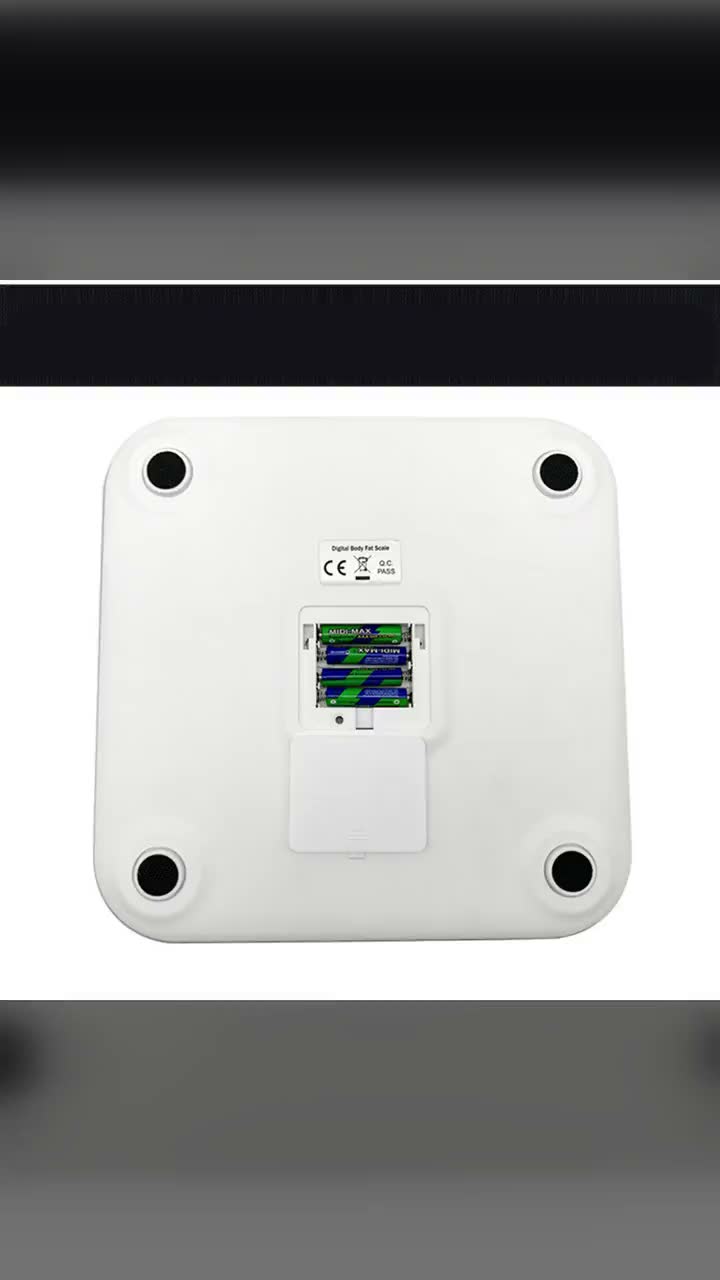 Bluetooth Smart ScaleWeight plus estimated body water, fat and calories, up to 180 kg.Watch the reel →
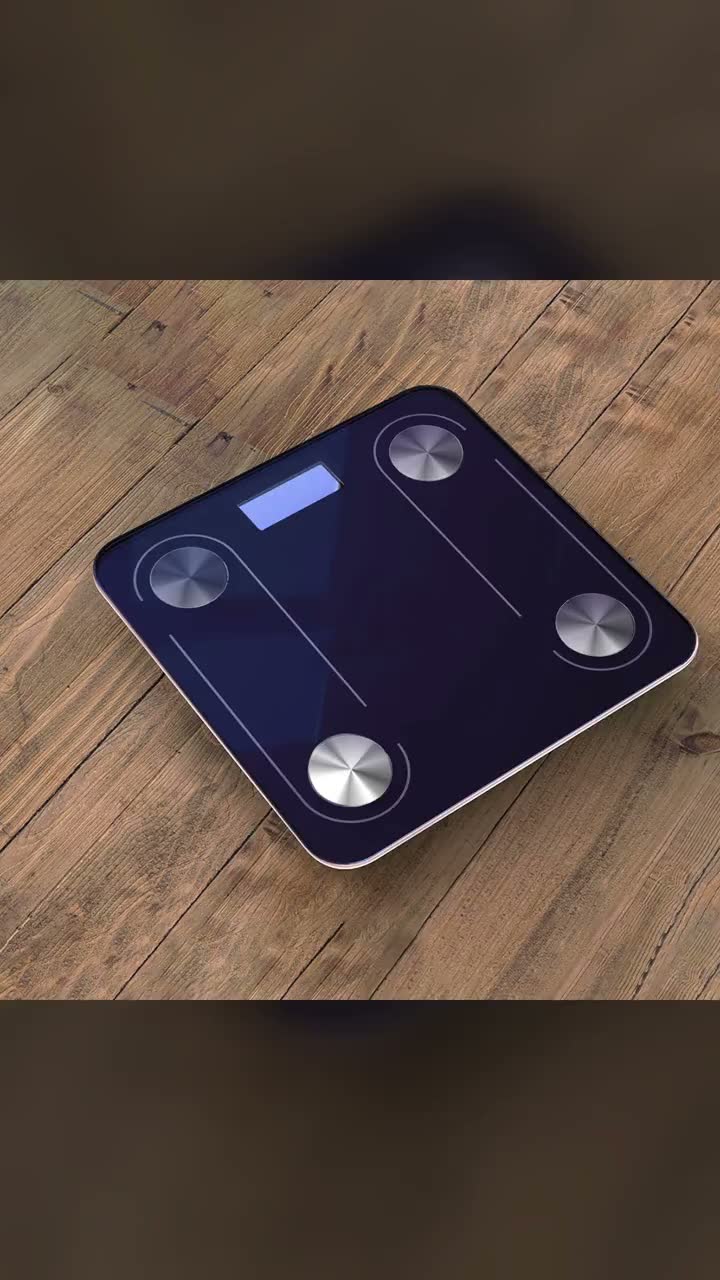 App Electronic Scale0.2–180 kg in 10 g steps; battery or USB charging.Watch the reel →
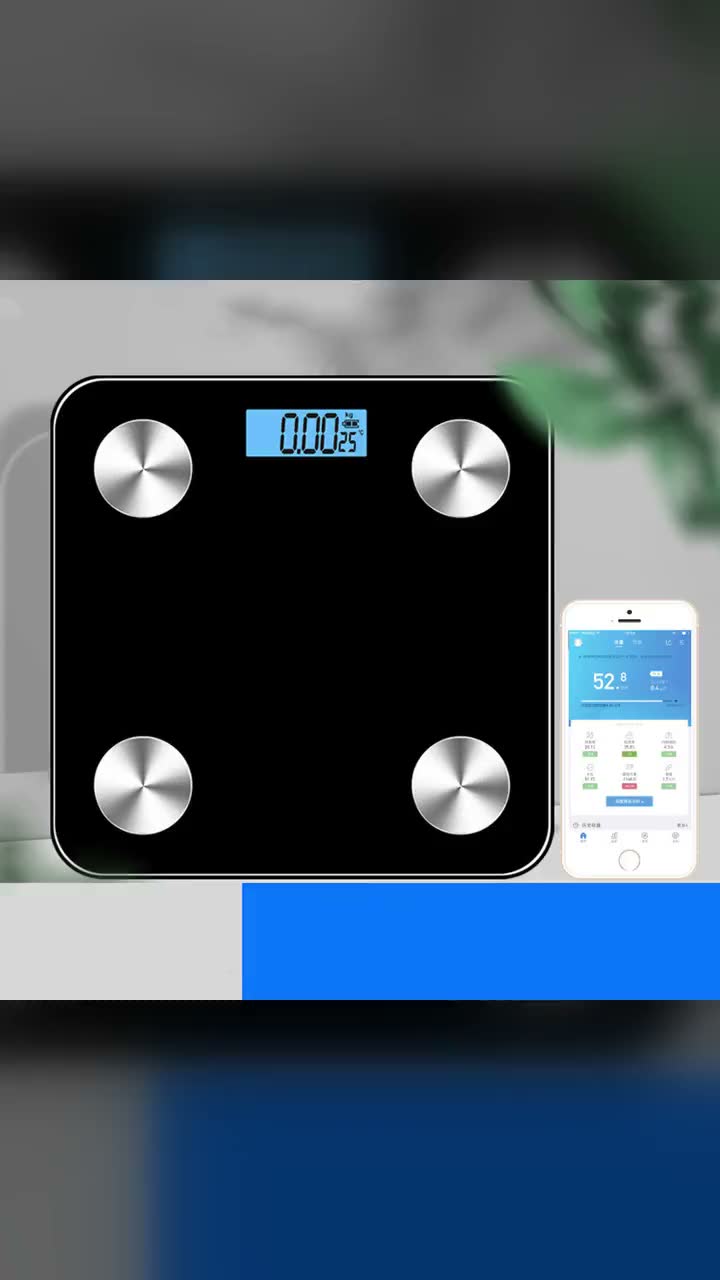 Smart Bluetooth Weighing ScaleUp to 180 kg with an LCD display, in three colours.Watch the reel →
Important safety note
Do not use the body-composition feature if you have a pacemaker or another implanted electronic medical device, or if you are pregnant. Most manufacturers warn against it. Weight-only use is generally fine; follow the warnings for your model.
Use it kindly
Daily weight naturally moves up and down by a kilogram or more with water and food. Trends over weeks matter; single readings do not. For health decisions, talk to a doctor or dietitian. A fitness tracker adds activity and sleep for a fuller picture; see how accurate fitness trackers are.
Frequently asked questions
How do smart scales measure body fat?
They pass a tiny, harmless current through your feet and measure resistance. Fat and muscle conduct differently, and the app combines that reading with your height, age and sex to estimate body composition.
Are smart scale body fat readings accurate?
They are estimates. Hydration, recent exercise, meals and even foot moisture change the reading. They are most useful for tracking trends over weeks under the same conditions.
Who shouldn't use a body composition scale?
People with pacemakers or other implanted electronic medical devices, and pregnant women, should not use the body-composition (impedance) feature. Weight-only use is generally fine; follow the manufacturer's warnings.
When is the best time to weigh myself?
At the same time each day, ideally in the morning after using the bathroom and before eating or drinking, barefoot, on a hard flat floor.