Smart home
Can You Use a Smart Plug with a Space Heater?
Generally, no. A typical space heater draws about 1500 W (12.5 A at 120 V) for hours, which is at or above the limit of most smart plugs, and fire-safety organisations advise plugging heaters directly into a wall outlet. Switching a heater on remotely, with nobody in the room, adds risk. Use the heater's own thermostat and timer instead.
It is tempting: put the space heater on a smart plug and warm the bedroom before you get out of bed. Most safety advice says don't, and here is why.
The short answer
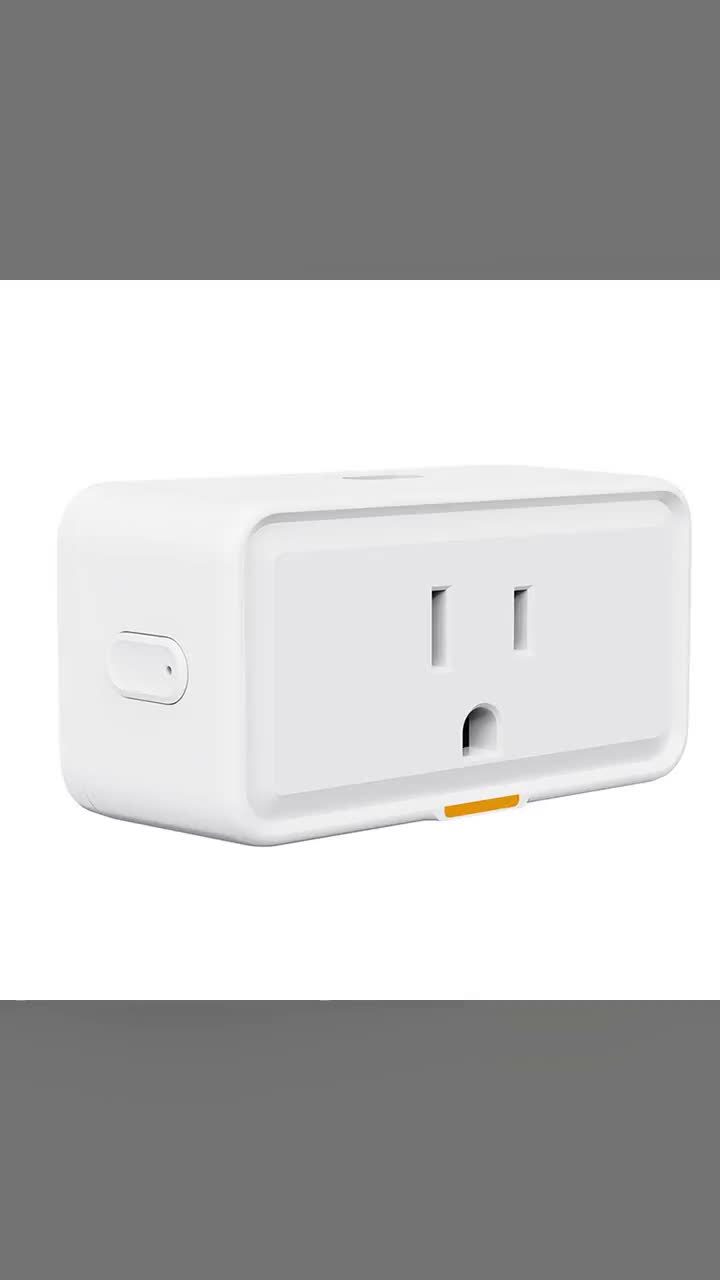
Heating equipment is one of the leading causes of home fires in the US, according to the National Fire Protection Association. Fire-safety organisations and heater manufacturers advise plugging space heaters directly into a wall outlet, not into extension cords, power strips or adapters. A smart plug is an adapter.
The numbers
| Device | Typical rating |
|---|---|
| Space heater on high | 1500 W, about 12.5 A at 120 V |
| Many smart plugs | 10–15 A maximum |
| A 10 A plug at 120 V | about 1200 W maximum |
A heater on high runs for hours near a plug's limit. Over time, heat builds up at the plug's contacts and relay, which is exactly what fire-safety advice tries to avoid. Some plugs are rated below a heater's draw altogether.
The remote-start problem
Even with a high-rated plug, switching a heater on when nobody is in the room is risky: a heater might have been knocked over, pushed against a curtain or left with clothes drying on it. Many heaters also have electronic switches that will not restart when power returns, so the plug would not work anyway.
Safer ways to heat on a schedule
- Use the heater's own thermostat and timer. Many heaters have both.
- Choose a heater built for remote control, certified as a complete product with tip-over and overheat protection.
- Use a smart thermostat for central heating.
- Pre-warm with fewer watts: a heated blanket with its own timer and auto shut-off uses far less power.
If you use a space heater at all
- Plug it directly into the wall, and do not share the outlet with other high-power appliances.
- Keep it at least 3 feet (about 1 metre) from anything that can burn, a common fire-safety rule.
- Choose models with tip-over and overheat shut-off.
- Switch it off when you leave the room or go to sleep.
- Keep a working smoke alarm on every floor.
Great jobs for a smart plug instead
Lamps, fans, holiday lights and chargers are perfect smart-plug jobs. See 12 clever ways to use a smart plug, and track room temperature safely with a temperature and humidity monitor.
Frequently asked questions
How many amps does a space heater use?
A standard 1500 W heater on a 120 V circuit draws about 12.5 amps on its high setting. That is close to the maximum of many smart plugs and power strips.
What if my smart plug is rated for 15 amps?
A 15 A rating leaves little margin for a 12.5 A load running for hours, and heat builds up at the contacts. Most heater makers and fire-safety groups still advise plugging the heater directly into the wall.
Can I use a smart plug on a low-power heater?
Lower-wattage heaters reduce the load, but the remote-start risk remains. If you do, use a plug rated well above the heater's wattage, choose a heater with tip-over and overheat shut-off, and never switch it on when nobody is home.
What's a safer way to heat a room on a schedule?
Use a heater with a built-in thermostat and timer, a smart heater designed and certified for remote control, or a smart thermostat for central heating.